Canary Islands
Guide to the Canary Islands an autonomous region of Spain.
Regions of Spain - The Canary Islands
Canary Islands - Lying in the Atlantic Ocean to the west of Morocco are a series of volcanic islands known as the Canary Islands. The Canary Islands belong to Spain but are actually 1,120 kilometres south of the nearest Spanish mainland.
The Canaries geographically belong to a larger group of volcanic islands known as Macaronesia (or the Blessed Islands), others in the group include the Cape Verde Islands, Madeira and the Azores.
There are seven main islands forming the Canaries and these are from west to east - El Hierro, La Palma, La Gomera, Tenerife, Gran Canaria, Fuertaventura and Lanzarote (with resorts like Puerto del Carmen and Playa Blanca). There are some smaller islands including Isla Graciosa, Isla de Alegranza and Isla de Montaña Clara.
The Canary Islands rose from the sea between 8 and 20 million years ago and are of varying ages (Lanzarote and Fuertaventura being the oldest).
The islands in total have a resident population of about 1.6 million of which around 800,000 live on Tenerife and 700,000 on Gran Canaria. The Canary Islands cover a land area of 7,447 square kilometres and the topography of the islands varies from rich tropical to sparse volcanic.
Canary Islands History: The early history of the Canary Islands is shrouded in mystery and many believed them to be the long lost land of Atlantis. The first settlers probably arrived in around 500BC and were thought to have come from North Africa.
Though the Canary Islands were known to the Romans and other ancient civilizations they were firmly put on the map in 1312 by an Italian sea captain called Lanzarotto Malocello who landed on what is now called Lanzarote. He was followed by more Italian, Portuguese and Spanish sailors who plundered the islands and brought back slaves during the following century.
These early visitors encountered the native inhabitants of the islands who were known as Guanches and were a tall, blue-eyed, blonde haired race of peoples who were generally friendly and welcoming.
The conquest of the Canary Islands occurred in the 15th Century when a Norman knight with Spanish support invaded the islands of Fuertaventura, La Gomera and El Hierro. In the following years there was some rivalry over control of the islands between Spain and the other great sea power at the time, Portugal but by a treaty they were eventually annexed to Spain in 1479. The remaining islands soon followed and the native population mostly died out or were forced into slavery.
During the 16th Century the Canary Islands became important for the production of sugar, and as the native trees were felled to make way for sugar-cane fields, the landscape of the islands was changed forever. The islands also became significant as a producer of wine and its local wine vino seco became very popular especially in Britain where the Canary Island Company founded in 1665 monopolized the trading of wine with Britain.
Throughout the 16th and 17th Centuries the islands were frequently attacked but Spanish control held firm, even an attempt by Horacio Lord Nelson to attack Santa Cruz, Tenerife in 1797 failed and famously resulted in him losing his arm.
The Canary Islands officially became a province of Spain in 1821 with Santa Cruz de Tenerife as its capital. In 1982 the islands were granted autonomy to control their own affairs.
The 1950’s and 1960’s saw the beginnings of a tourist industry in the islands and this has grown during the last 40 years to providing some 80% of the islands revenue, though some of the smaller islands still rely on fishing and agriculture for their survival.
Tourist accommodation comprises hotels, holiday villas and apartments. Certain islands have a high concentration of villa accommodation available for rent. For example holiday villas in Lanzarote are extremely popular with British and Irish tourists.
The main tourist islands - Tenerife, Gran Canaria, Lanzarote and Fuerteventura - have much to attract those on holiday, with world-class resorts and attractions like the Santa Barbara Golf and Ocean Resort, located next to the fairways of Tenerife's most prestigious golf course. The less frequented islands, such as El Hierro, La Gomera and La Palma, however, offer a more laid-back and intimate experience of Canarian culture.
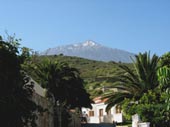
Canary Islands Weather: The Canary Islands weather varies considerably from island to island and even from north to south of a specific island, as in the case of Tenerife, which has a humid, damp north and an arid, dry south. The driest island is Fuerteventura and the wettest, La Palma.
Places to Visit in the Canary Islands:
Lanzarote: Although it has earned the nickname "Lanzagrotty", this volcanic island has become one of the Canaries most popular holiday islands, an arid volcanic landscape with some of the hottest weather in the Canary Islands, it has a couple of the best known resorts in the group and apart from the traditional beach resort, it also has some interesting places to visit if you can drag yourself away from your sun lounger, the Timanfaya National Park, for instance is well worth a visit if only to have a burger barbequed over hot lava! Also of interest might be the Jameos del Agua caves, which were formed from lava funnels and have been turned into an entertainment complex by Lanzarote's famous son César Manrique.
If you are staying in Lanzarote, you will most likely be accommodated in one of the three major coastal resorts or possibly in the capital Arrecife. The most over developed but possibly still the most popular is Puerto del Carmen, where you will find miles of sandy beaches and plenty of entertainment in the evenings. The other two, a little more laid back, but still popular are Playa Blanca, in the far south, with the beautiful Playa de Papagayo located nearby, and Costa Teguise, to the east of Arrecife and Lanzarote airport.
If you want to get away from the touristy Lanzarote seaside resorts among the other little towns and villages that you could visit include Orzola, in the north, from where you can catch the boat for Isla Graciosa, Yaiza in the south-west, one of the prettiest town on the island, Guatiza, in the north-east, where you can visit the Jardin de los Cactus, and Haria, which lies in the Valley of 100 Palms.
Fuerteventura: Second largest of the Spanish Canary Islands at 1,660km2, Fuerteventura is also the longest, boasting some of the finest beaches in all of the Canaries it attracts sun-worshippers and also water sports enthusiasts, who visit to enjoy the ideal surfing conditions on some parts of the island. The capital is at Puerto del Rosario and the main holiday resort is in the north of the island at Corralejo.
Tenerife Places: Places: Santa Cruz de Tenerife - Puerto de la Cruz - Playa de las Americas - Los Cristianos - Los Gigantes - Adeje - Arona - Caleta - Callao Salvaje - Chayofa - Costa del Silencio - Fanabe - Las Galletas - Playa Paraiso - Bajamar
Related: Balearic Islands - Builders
HOME